
An RPA Developer (Robotic Process Automation Developer) is one of the most in demand technical roles in the automation industry. As companies accelerate digital transformation and reduce manual workloads RPA developers build automated workflows that replace repetitive and rule based tasks. This article explains what RPA developers do the skills they need tools they use career paths certifications salary expectations and how to become one.
RPA Developer Role Responsibilities and Impact on Business Automation
An RPA Developer is a specialist who designs builds deploys and maintains software bots that replicate human actions such as mouse clicks keyboard inputs system logins form submissions and data entry to streamline repetitive business processes.
Beyond bot creation they collaborate with business analysts and stakeholders to understand workflows translate business logic into automation rules integrate bots with enterprise systems like ERP and CRM platforms perform testing and debugging ensure compliance and security standards and monitor bot performance in production.
Their work helps organizations reduce manual workload minimize errors accelerate processing times and improve overall operational efficiency as part of wider digital transformation and automation strategies.
The Role of RPA Developers in Digital Workforce Automation

RPA developers play a key role in modern enterprises by collaborating with business analysts and process owners to analyze workflows identify automation opportunities build and deploy bots and monitor performance across ERP systems CRMs financial platforms and internal databases.
Their skills are in high demand across high volume compliance driven industries such as banking healthcare telecom logistics retail government and IT service centers as organizations pursue digital workforce automation and hyper automation strategies.
By enabling companies to reduce processing time eliminate manual errors improve compliance and enhance scalability RPA developers directly support digital transformation KPIs while boosting employee productivity.
Because software bots can run 24/7 without breaks businesses often achieve 3–10x ROI within months by automating processes like invoice processing payroll data migration onboarding and customer service ticketing making RPA developers essential to operational efficiency and cost reduction.
Core Skills Required to Become an RPA Developer
To succeed in RPA development professionals need a mix of technical analytical and communication skills.
Technical Skills Workflow Automation Scripting and Low Code Tools
Technical skills for an RPA Developer revolve around workflow automation scripting and low code tools that enable bots to interact with enterprise systems. Core competencies include hands on experience with leading RPA platforms such as UiPath Blue Prism and Automation Anywhere along with the ability to integrate bots via APIs and web services for cross system automation.
RPA developers also utilize process orchestration to manage complex workflows apply regex for unstructured data extraction and work with database systems like SQL Server Oracle and MySQL. Basic scripting knowledge in languages such as Python VBScript or JavaScript enhances bot logic and exception handling while cloud orchestration skills though optional are becoming increasingly valuable as enterprises shift toward scalable automation environments.
AI and Machine Learning Add Ons for Advanced Automation RPA
Modern RPA platforms are increasingly enhanced with AI driven automation to support Intelligent Automation (IA) and Hyper automation initiatives. By combining AI capabilities such as machine learning OCR for document scanning NLP for text interpretation document understanding chatbots and rule based decision engines enterprise bots can move beyond simple click and type tasks and handle unstructured data contextual decisions and complex workflows.
AI automation enables bots to learn from data patterns make predictive decisions and continuously optimize processes allowing organizations to automate document-heavy workflows interact with users naturally and extract actionable insights from both structured and unstructured inputs. This convergence of RPA and AI dramatically expands the scope intelligence and business value of automation across modern enterprises. This allows bots to handle unstructured data documents and contextual tasks.
Soft Skills Needed to Succeed as an RPA Developer
Soft skills are essential for RPA developers because automation initiatives require close collaboration across business IT and operational teams. Key soft skills include problem solving and critical thinking to identify inefficiencies and design effective automation solutions as well as attention to detail to ensure bots perform accurately and reliably.
Adaptability allows developers to adjust to evolving processes and technologies while strong collaboration and communication skills help align stakeholders and ensure smooth project execution. A continuous learning mindset is equally important enabling RPA professionals to stay updated with emerging tools AI integrations and best practices in the rapidly evolving automation landscape.
RPA Development Tools & Platforms to Learn
RPA developers can choose from a variety of tools and platforms each catering to specific enterprise needs. UiPath is widely used for enterprise automation offering attended and unattended bots document processing workflow orchestration and automation analytics with a beginner friendly drag and drop interface.
Automation Anywhere provides cloud native RPA with strong capabilities in bot lifecycle management web automation cognitive automation and enterprise compliance making it ideal for scalable cloud focused automation. Blue Prism is favored in banking and regulated industries due to its high security standards, auditable workflows, and robust governance features.
Additionally open source RPA tools like Robot Framework and Tag UI offer lower costs flexible customization and community support though enterprise grade support and integrations may require extra effort. Platforms like Tecrix provide structured training and handsmon experience to help developers master these tools and accelerate their career in RPA
How to Become an RPA Developer Step by Step Career Guide
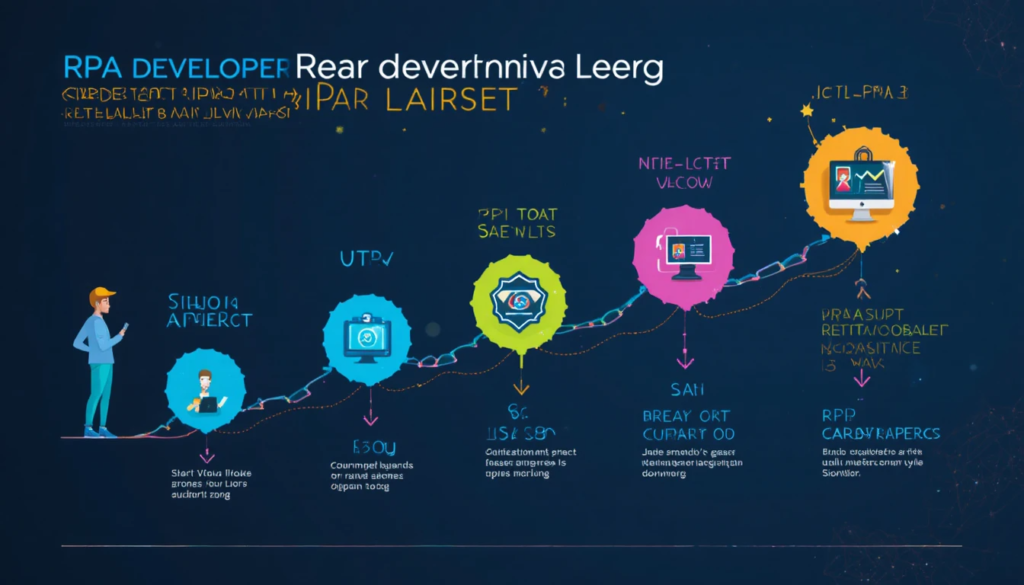
Becoming an RPA developer is achievable through structured learning, hands on experience and industry recognized certifications even without a formal computer science degree. Key certifications such as UiPath RPA Developer Blue Prism Developer and Automation Anywhere Certified RPA Professional provide credibility and foundational knowledge.
Building a portfolio with practical projects like automated invoice processing form filling bots report generation and email classification workflows demonstrates applied skills to potential employers. Beginners can gain real world experience through internships in IT or business process teams freelance automation tasks or contributions to open source RPA projects.
Entry level roles such as RPA Intern Automation Analyst Junior RPA Developer or RPA Support Engineer are common starting points and actively networking within automation communities or showcasing work on platforms like GitHub can significantly improve visibility and job prospects.
RPA Developer Salary Job Market & Career Growth
The demand for RPA developers continues to rise as organizations adopt automation-first strategies to improve efficiency and reduce costs. Salary ranges vary by experience and expertise Junior RPA Developers earn competitive entry level pay mid level developers command higher salaries with platform certifications and project experience and senior developers receive top compensation for managing bot orchestration deployments and enterprise automation strategies.
RPA roles are flexible, offering on site positions within automation teams hybrid work in digital transformation divisions and fully remote opportunities through global outsourcing and consulting firms. Career growth in RPA increasingly intersects with AI and Hyper automation leading to advanced roles such as Intelligent Automation Architect Hyper automation Specialist AI Automation Engineer Process Consultant and RPA Solution Architect where professionals design integrated intelligent automation solutions that combine RPA AI machine learning and process intelligence
Who Should Become an RPA Developer? Career Suitability & Profiles
The role attracts both technical and non technical professionals.
IT Professionals Transitioning Into Automation
Developers QA testers and DevOps engineers transition easily due to scripting familiarity.
Business Analysts Moving into Intelligent Automation
BAs excel because they already understand business process logic and documentation.
Students & Career Switchers Without a CS Degree
Low code RPA platforms reduce barriers making automation accessible for non CS backgrounds.
RPA Developer Projects & Case Studies
RPA developer projects and case studies serve as tangible proof of expertise and demonstrate the real world impact of automation. Common enterprise workflows automated by RPA include HR onboarding payroll processing customer support triage and inventory reconciliations.
Case studies often highlight measurable benefits such as reduced cycle times fewer manual errors lower operational costs and improved efficiency. Additionally, automation enhances compliance and risk management by enforcing organizational policies minimizing fraud exposure and maintaining accurate audit trails making RPA a critical tool for both operational excellence and regulatory adherence.
Hiring RPA Developers What Companies Should Look For
When hiring RPA developers companies look for a balanced mix of technical expertise and business understanding. Essential technical competencies include proficiency in RPA tools workflow optimization script debugging and bot lifecycle management to ensure automations are efficient reliable and maintainable.
Equally important is assessing a candidates problem solving skills and ability to understand the business context knowing why a process exists not just how to automate it ensures meaningful and impactful automation.
Interview questions typically focus on selecting appropriate use cases designing scalable and robust bots handling exceptions and planning for future workflow enhancements helping employers identify candidates who can deliver both technical execution and business value.
Conclusion
RPA Developers are at the forefront of digital transformation enabling organizations to automate repetitive tasks streamline workflows and boost operational efficiency. By combining technical expertise in RPA tools scripting and AI integrations with strong business understanding and soft skills they deliver measurable impact across industries.
With growing demand competitive salaries and diverse career paths from junior developer roles to AI driven automation architects RPA offers a promising career for both technical professionals and those from non technical backgrounds. Investing in the right skills certifications and hands on experience ensures long term success in this rapidly evolving automation landscape.
FAQs
What is an RPA Developer?
An RPA Developer designs builds and maintains software bots that automate repetitive business tasks such as data entry form filling and system integration to improve efficiency.
What skills are required to become an RPA Developer?
Key skills include RPA platforms (UiPath Blue Prism Automation Anywhere) scripting (Python JavaScript) workflow automation process mapping and basic AI integration for intelligent automation.
How much does an RPA Developer earn?
Salaries vary by experience and location. Junior RPA Developers earn competitive entry level pay mid level professionals with certifications earn higher and senior developers managing enterprise automation earn top tier salaries.
What tools do RPA Developers use?
RPA Developers commonly use UiPath Automation Anywhere Blue Prism and open source platforms like Robot Framework or TagUI for building and managing automation bots.
How can I become an RPA Developer?
You can start by learning RPA tools earning certifications building hands on projects gaining internship or freelance experience and creating a portfolio showcasing automated workflows.
Which industries hire RPA Developers?
RPA talent is in demand across banking healthcare telecom logistics retail government and IT services particularly in compliance heavy and high volume process environments.